
Here is the latest update from the ongoing FIFA World Cup as of 2026-08-01 08:42:00.
FIFA’s recent plans to commercialize the World Cups, led by president Gianni Infantino, have raised serious concerns about the implications for women’s soccer. The leaked proposals, which sparked widespread backlash, prompted UEFA to consider boycotting FIFA competitions, including the upcoming 2030 World Cup, putting women’s tournaments in the crosshairs first.
With the 2027 Women’s World Cup in Brazil approaching and European playoffs for qualification starting in October, the repercussions might have severely impacted youth soccer for women. Upcoming events include the FIFA U20 Women’s World Cup in Poland starting on September 5, immediately followed by the men’s and women’s U17 World Cups in Qatar and Morocco, respectively.
UEFA’s Strong Stance and Its Implications
In response to FIFA’s transactional aspirations, UEFA’s decision to boycott was crucial for safeguarding international soccer’s integrity. The backlash wasn’t limited to governing bodies; players, coaches, and national associations expressed collective anger over the potential fallout. The conflict threatens the gains women’s soccer has made over the decades.
FIFA’s plan, hinging on increased commercial stakes, attempted to prioritize revenue over sporting integrity, leading to worries about higher ticket prices and player burnout. UEFA’s resolute stance, echoed by other federations like Concacaf and the Asian Football Confederation, ultimately led to a reconsideration of the proposals.
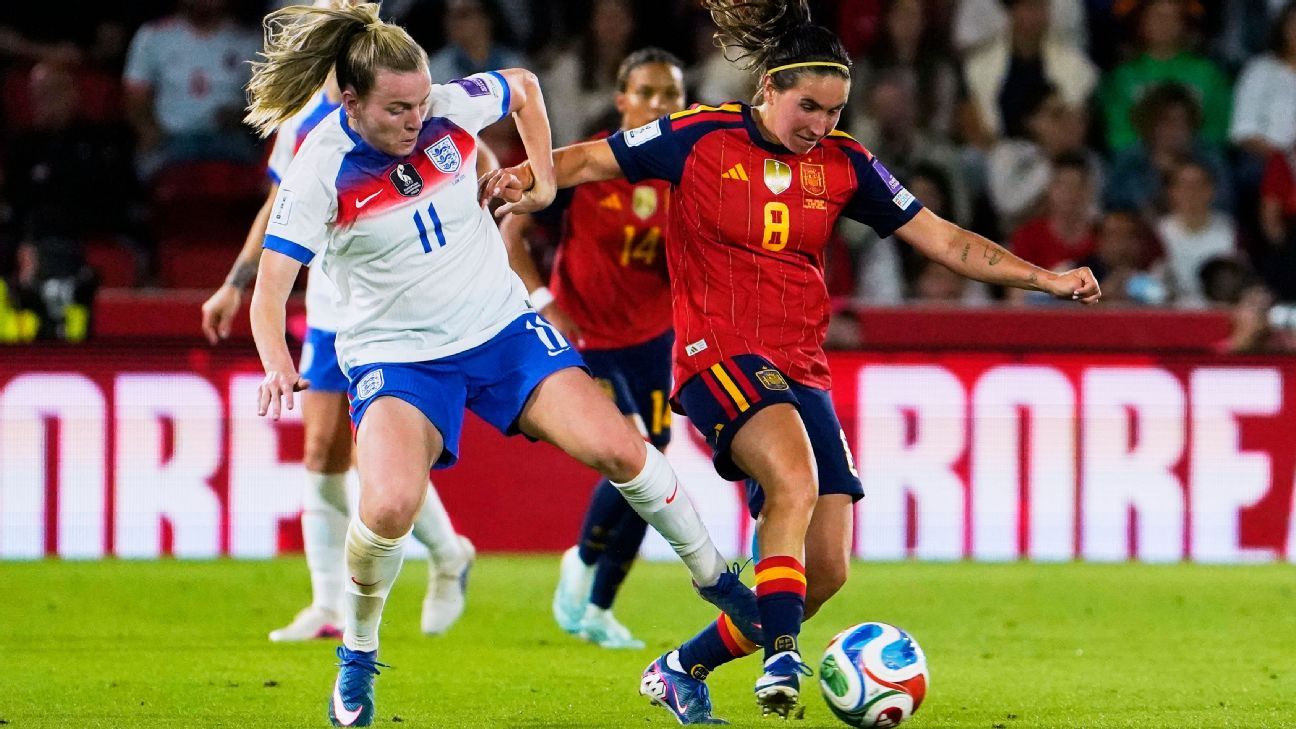
A UEFA boycott would have created an unprecedented disruption for the Women’s World Cup, potentially excluding reigning champions Spain and other top teams, including England, Germany, and France. Such an absence would not just diminish the competition; it would detract from the credibility of one of soccer’s premier events. In short, a Women’s World Cup without significant European representation would not be a true World Cup at all.
The Economic Landscape of Women’s Soccer
Despite achieving a break-even point of $570 million in revenue during the 2023 FIFA Women’s World Cup, the sport heavily relies on this event for financial health. The prize pool reached a record $110 million, distributed between federations and players. Nevertheless, the true earnings of players often surpass just prize money through sponsorship and bonuses tied to their performances.
Women’s soccer cannot afford to become a pawn in governance conflicts. As FIFA’s proposals failed to even mention women’s soccer, it becomes increasingly clear that the sport’s needs were overlooked. UEFA’s decisive action, alongside solidarity within the women’s game, helped prevent severe repercussions that could have emerged from Infantino’s unwavering pursuit of commercial gains.
FAQs
What prompted UEFA’s potential boycott of FIFA competitions?
UEFA’s move was driven by concerns over FIFA’s commercialization plans, which threatened the integrity of international soccer.
How reliant is women’s soccer on the FIFA World Cup?
The Women’s World Cup generates significant revenue, making it a crucial financial engine for women’s soccer, despite efforts for greater parity in funding.
Key Facts
- Category:
- Source: www.espn.com – SOCCER
- Published: 2026-08-01 08:42:00
Read more on the FIFA World Cup 2026 right here as the tournament continues.
Tags: #Infantinos #World #Cup #plans #considered #impact #womens #soccer
Tags: #Infantinos #World #Cup #plans #considered #impact #womens #soccer
