
Here is the latest update from the 2026 FIFA World Cup as of 2026-07-08 18:02:00.
Following yet another disappointing World Cup performance, questions about the United States Men’s National Team’s (USMNT) inability to excel in soccer continue to arise. A common explanation is that America’s best athletes gravitate toward other sports, leading to a scarcity of elite soccer players.
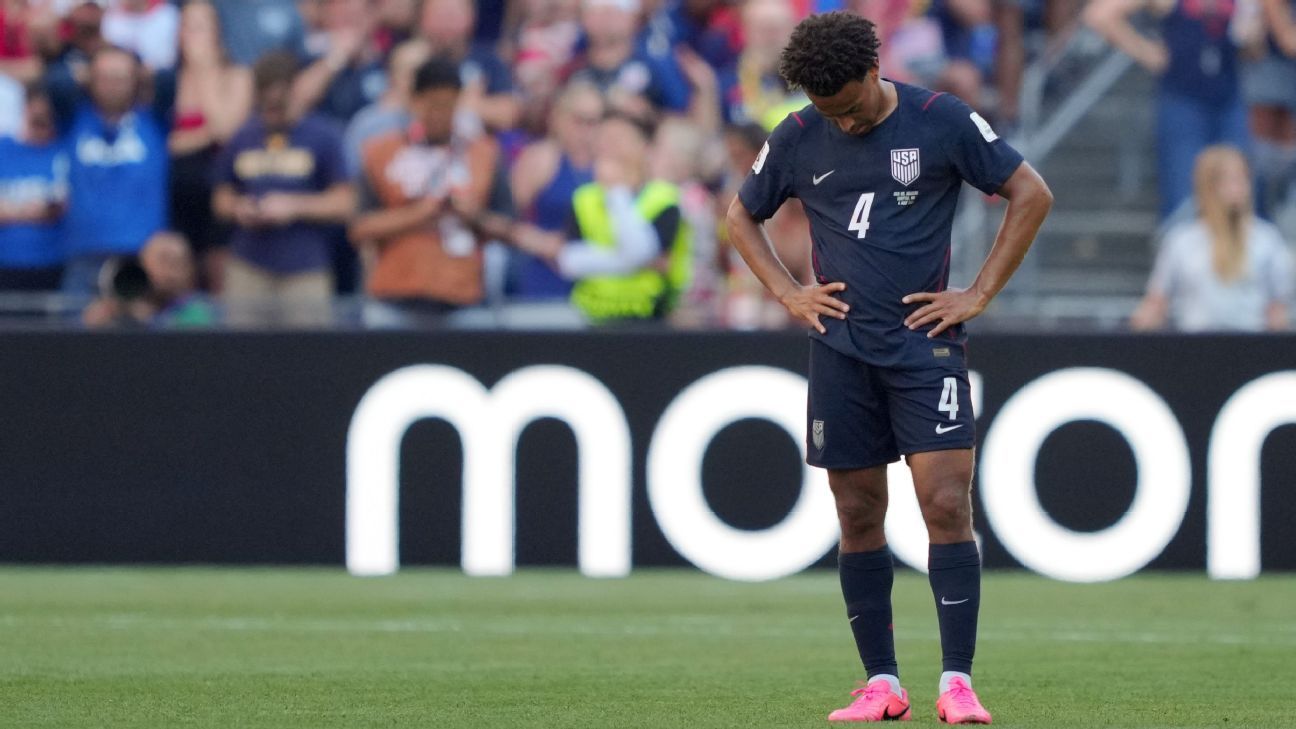
While this theory holds some weight, it’s overly simplistic. During the recent tournament, the USMNT failed to progress past the round of 16 after a 4-1 defeat to Belgium, marking six consecutive World Cups without advancement. This suggests that issues are deeper than just athletic talent.
Addressing the Real Issues
The U.S. boasts nearly 350 million residents and countless athletes with the skills necessary for soccer success. Nations like Belgium, with only 12 million people, and Norway, with 5.6 million, have proved that population size isn’t the sole determinant of success on the field.
The real question is whether the U.S. developing soccer players at an adequate pace. Current systems often prioritize winning at early ages, which can stifle growth and creativity. Programs reliant on pay-to-play models tend to exclude many potential talents, concentrating opportunities in wealthier suburbs while neglecting urban centers.
The loss to Belgium highlighted more than just a skills gap; it showed a lack of mental toughness. Carli Lloyd, a former leader of the U.S. women’s team, noted that the players appeared nervous and tentative from the onset. Despite having home advantage and public support, the team crumbled under pressure.
The Impact of Travel Soccer
The current structure of youth soccer development, heavily influenced by travel soccer, creates a financial barrier for aspiring players. Costs can soar above $20,000 annually when factoring in training, travel, and fees, effectively limiting access to a privileged few. Such exclusivity raises concerns about whether this model yields the competitive grit necessary for success.
With clubs incentivized to prioritize immediate results rather than long-term development, many promising young players are left behind. This cycle of mediocrity stifles growth and real competition. The recent World Cup experience mirrored the shortcomings of this system, where U.S. players shone only when favored, yet faltered against good opponents.
As the FIFA World Cup 2026 approaches, addressing these systemic issues in youth soccer is crucial. Otherwise, the U.S. risks continuing a trend of talented yet ultimately underprepared teams that lack the necessary resolve to succeed.
FAQs
Why does the U.S. struggle in international soccer?
The U.S. has athletic talent but lacks a robust system that fosters true competition and development among aspiring players.
What is pay-to-play in youth soccer?
Pay-to-play refers to the financial model requiring families to pay substantial fees for their children to participate in travel soccer, limiting access for many potential players.
Quick Facts
- Category:
- Source: www.espn.com – SOCCER
- Published: 2026-07-08 18:02:00
Stay updated on the FIFA World Cup 2026 right here as the tournament continues.
Tags: #World #Cup #losses #continue #America #fixes #youth #soccer #system
Tags: #World #Cup #losses #continue #America #fixes #youth #soccer #system
