
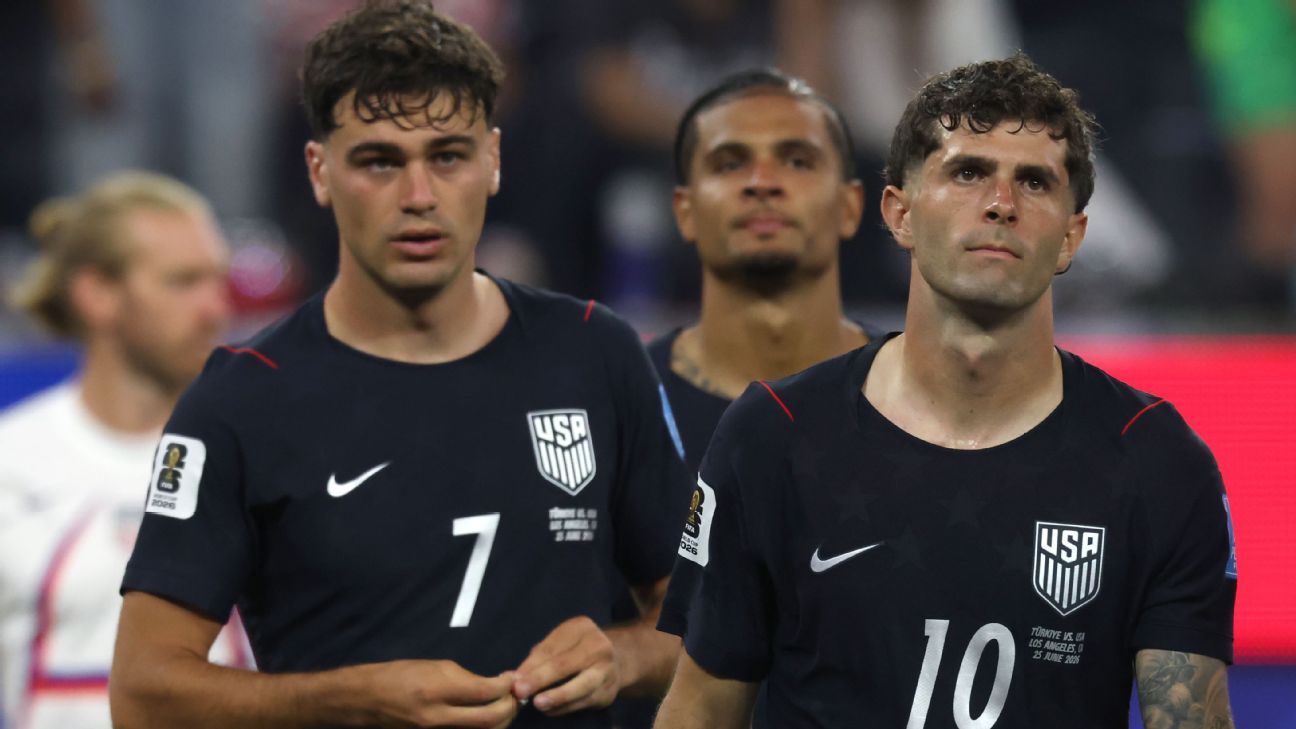
Here is the latest update from the 2026 FIFA World Cup as of 2026-07-15 12:33:00.
The U.S. men’s national team (USMNT) continues to face challenges on the world stage, and while overhauling youth development is often discussed, it may not be the answer. If soccer were more accessible in terms of cost, it could foster a more diverse talent pool, including players with Mexican heritage who currently remain underrepresented. Moreover, the overall coaching quality is another concern. Many children in American soccer grow up under parents who lack proper coaching skills or participate in costly academies more focused on winning than fostering passion for the game.
The Importance of Inclusive Development
Encouraging children to avoid early sports specialization can lead to happier players and potentially greater success later in life. Easier pathways for players to enter and exit the sport can also combat declining participation rates during the teenage years. Improving athletic identification and focus on essential skills like technical ability and game intelligence could significantly elevate the team’s performance.
While enhancing youth development is crucial, the USMNT’s current limitations largely stem from one less appealing factor: luck. Numerous statistics suggest that talent identification in sports overall is flawed. For example, a significant proportion of transfers fail to meet expectations, hinting at a broader issue in how talent is recognized and nurtured.
Challenges in Talent Identification
Historically, the U.S. has struggled with talent identification, particularly in sports it didn’t create. Research indicates that substantial numbers of high-value player transfers do not perform as anticipated. Furthermore, studies shown that risk of misidentifying talent is high; only a tiny fraction of players in elite youth academies become professionals. This calls into question whether simply increasing the number of players will enhance the quality of the national team.
The four semifinalists in major tournaments boast extensive youth programs connected to professional networks. While more players means more opportunities, underdeveloped coaching infrastructures limit progress. In comparison, countries with integrated youth systems like Norway tend to produce individual superstars, while U.S. players struggle to reach their potential. The stark contrast between the team dynamics in Norway and the U.S. highlights a systemic issue in how American soccer operates.
The Path to Improvement
Despite facing elimination in the knockout stages, the USMNT has shown significant improvement. Currently, a greater number of U.S. players are in Europe’s top leagues than ever before. The evolution of Major League Soccer (MLS) and improvements within its academy systems also provide a foundation for future growth. Yet, the question remains: Can enough luck align during critical matches for the national team to ascend to greater heights in tournaments like the FIFA World Cup 2026?
FAQs
What are the main challenges facing the USMNT?
The USMNT struggles with talent identification, coaching quality, and systemic issues in youth development.
How can youth soccer development be improved in the U.S.?
Making soccer more affordable and focusing on player enjoyment rather than early specialization can enhance youth soccer development.
Quick Facts
- Category:
- Source: www.espn.com – SOCCER
- Published: 2026-07-15 12:33:00
Read more on the FIFA World Cup 2026 right here as the tournament continues.
Tags: #USMNTs #struggles #World #Cup #fixed #overhauling #youth #development
Tags: #USMNTs #struggles #World #Cup #fixed #overhauling #youth #development
